
ServicesConventional Mortgage
Conventional Mortgage in Detroit
A conventional mortgage is the standard home loan most buyers end up with. We walk you through down payment, PMI and rate in plain terms, get you to closing, and then check back later so you know how to keep the loan working for you.
What a conventional mortgage is and who it fits
A conventional loan is not backed by a government agency. Most follow the guidelines set by Fannie Mae and Freddie Mac. That means the lender looks hard at your credit, your income and your debts, but it also means fewer extra fees than some other loan types.
It tends to fit borrowers with steady income, a fair credit history and some savings. You do not need 20 percent down. Some programs go much lower. Put down less than 20 percent and you will pay private mortgage insurance, or PMI, until you build enough equity.
Our part does not stop at closing. We check back after the loan funds and show you how to get PMI removed, read your escrow statement and spot when a refinance might make sense down the road.
What we handle on a conventional loan
A straight read on your numbers
We look at your credit, income and debts and tell you where you stand. If something will hurt your rate, we say so up front and explain what would help.
Pre-approval you can show a seller
We get your file documented so your pre-approval holds up when you make an offer. Sellers and agents take a documented letter more seriously.
Down payment and PMI side by side
We lay out what 5, 10 or 20 percent down does to your monthly payment and your PMI. You pick the mix that still leaves you a cash cushion once you close.
Paperwork from start to closing
We track the documents underwriting asks for and keep you posted on what is still open. Most forms can be signed with e-sign, so fewer trips to the office.
A follow-up call once you close
We reach out when your first statements arrive. We go over escrow, your PMI removal date and what to keep on file.
Signs a conventional loan is the right call
Your credit is in fair shape
Better credit usually means a better rate and cheaper PMI on a conventional loan. If your score has climbed lately, this may beat other loan options.
You have some money saved
You do not need a big down payment. But having a cushion for closing costs and reserves makes approval smoother.
You want PMI that can go away
Conventional PMI can be dropped once you reach enough equity. That is a real difference from loans where the insurance stays for years.
The price is under the conforming limit
Conventional loans have a size cap each year. If your price runs above it, our Jumbo Loans page covers the next step.
You are buying a second home or rental
Conventional loans can be used for property you will not live in full time. The rules are tighter, and we will walk you through them.
How the loan moves from first call to closing
- 1
Talk it through by phone
We start with a mortgage consultation by phone, video or at our office. We ask about income, debts, savings and what you want to buy. You leave the call knowing which loan options fit.
- 2
Gather documents and get pre-approved
You send pay stubs, tax returns and bank statements. We review them, pull credit and issue a pre-approval you can use when you shop.
- 3
Lock a rate and go through underwriting
Once you have a signed purchase agreement, we talk about when to lock your rate. Then underwriting reviews the file, and the appraisal is ordered. We handle the follow-up questions so they do not stall.
- 4
Close and sign
You review your Closing Disclosure before closing day and compare it with your Loan Estimate. Much of the signing can be done by e-sign, with the rest done in person.
- 5
We follow up
A few weeks past closing we reach out. We confirm your first payment went through, review escrow and set a reminder for when you can ask to drop PMI.
What moves the cost of a conventional loan
Your rate and fees depend on your file, not a sticker price. We show you each piece on paper so you can see why the numbers come out the way they do. Here is what moves them most.
- Credit score
- This is the biggest lever on both your rate and your PMI cost. Small score changes can move you into a better pricing tier.
- Down payment size
- More down means a smaller loan and less or no PMI. Less down keeps cash in your pocket but raises the monthly payment.
- Loan term and points
- A 15-year loan usually carries a lower rate than a 30-year one, with a higher payment. Paying points up front can buy the rate down, and we show you when that pays off.
- Property type and use
- A condo, a two-unit or a rental all price differently than a single-family place you live in. Occupancy matters to the lender.
- Taxes and insurance in escrow
- In Michigan, a property's taxable value can reset when it changes hands, so the taxes you pay may be higher than the seller's. We build that into your payment estimate so it is not a surprise.
Conventional mortgage questions
Something not covered here? (313) 351-7161
How much do I need for a down payment?
Some conventional programs allow as little as 3 percent down for qualifying buyers. Many borrowers put down 5 to 10 percent. Below 20 percent you will pay PMI. We will show you the monthly difference so you can decide.
How do I get rid of PMI later?
Once your loan balance reaches 80 percent of the original value, you can ask your servicer to cancel it. It also drops off on its own at 78 percent if you are current on payments. We mark that date for you when we check in with you.
Is a conventional loan better than FHA?
It depends on your credit and down payment. With good credit, conventional often costs less over time because PMI can be removed. With a lower score, FHA may price better. We run both and show you.
Can family help with my down payment?
Yes, gift funds are allowed on most conventional loans. The giver signs a gift letter and we document where the money came from. Talk to us before the money moves so the paper trail is clean.
What happens after closing?
Your loan may be serviced by a different company, so watch for a transfer letter. We reach out to make sure your first payment lands, go over your escrow account and answer questions. If rates drop later, we will tell you whether a refinance is worth a look.
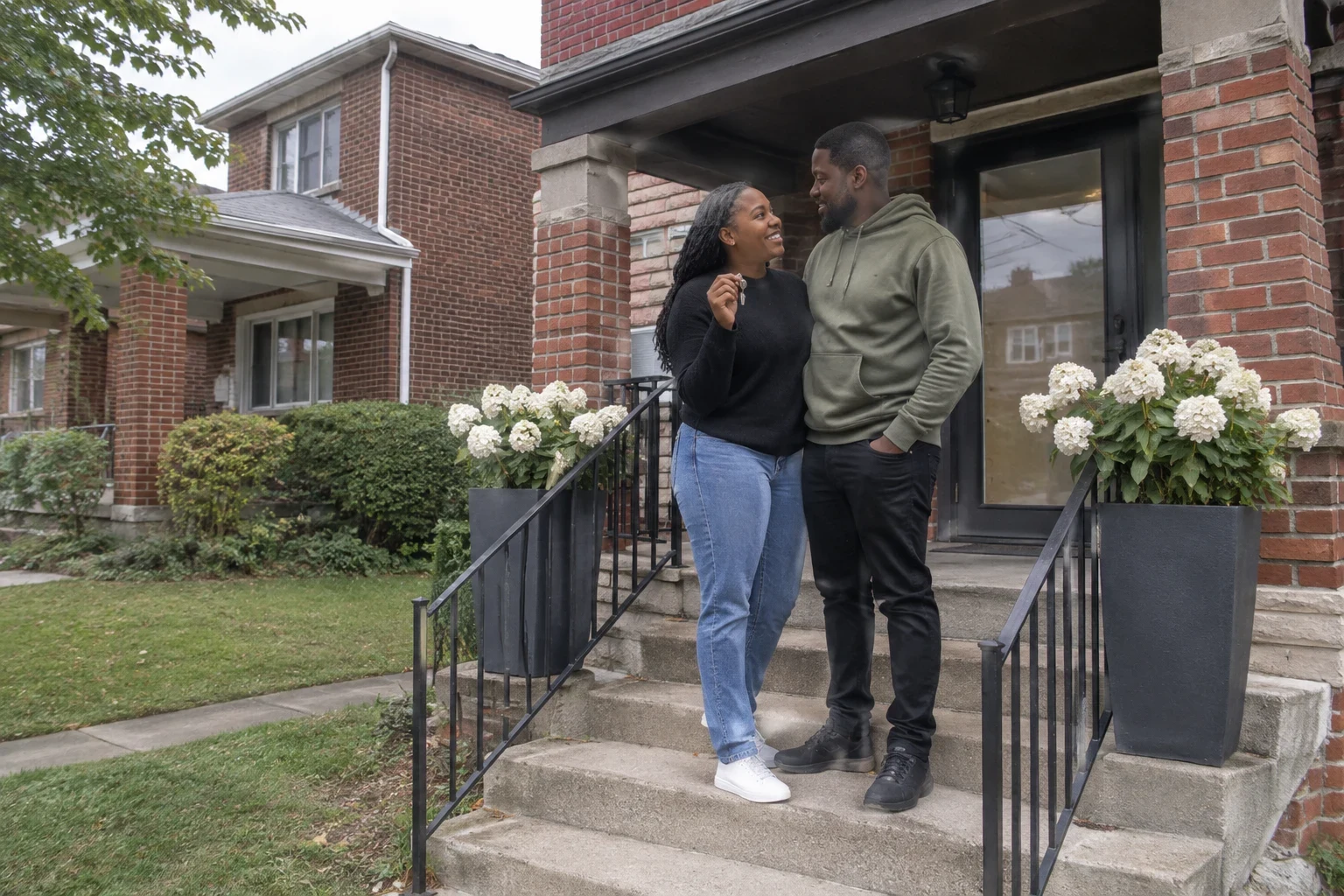
Find out if conventional fits you
A short conversation tells you where your credit, savings and income put you. We serve buyers in Detroit and nearby towns like Ferndale, Dearborn and Royal Oak.